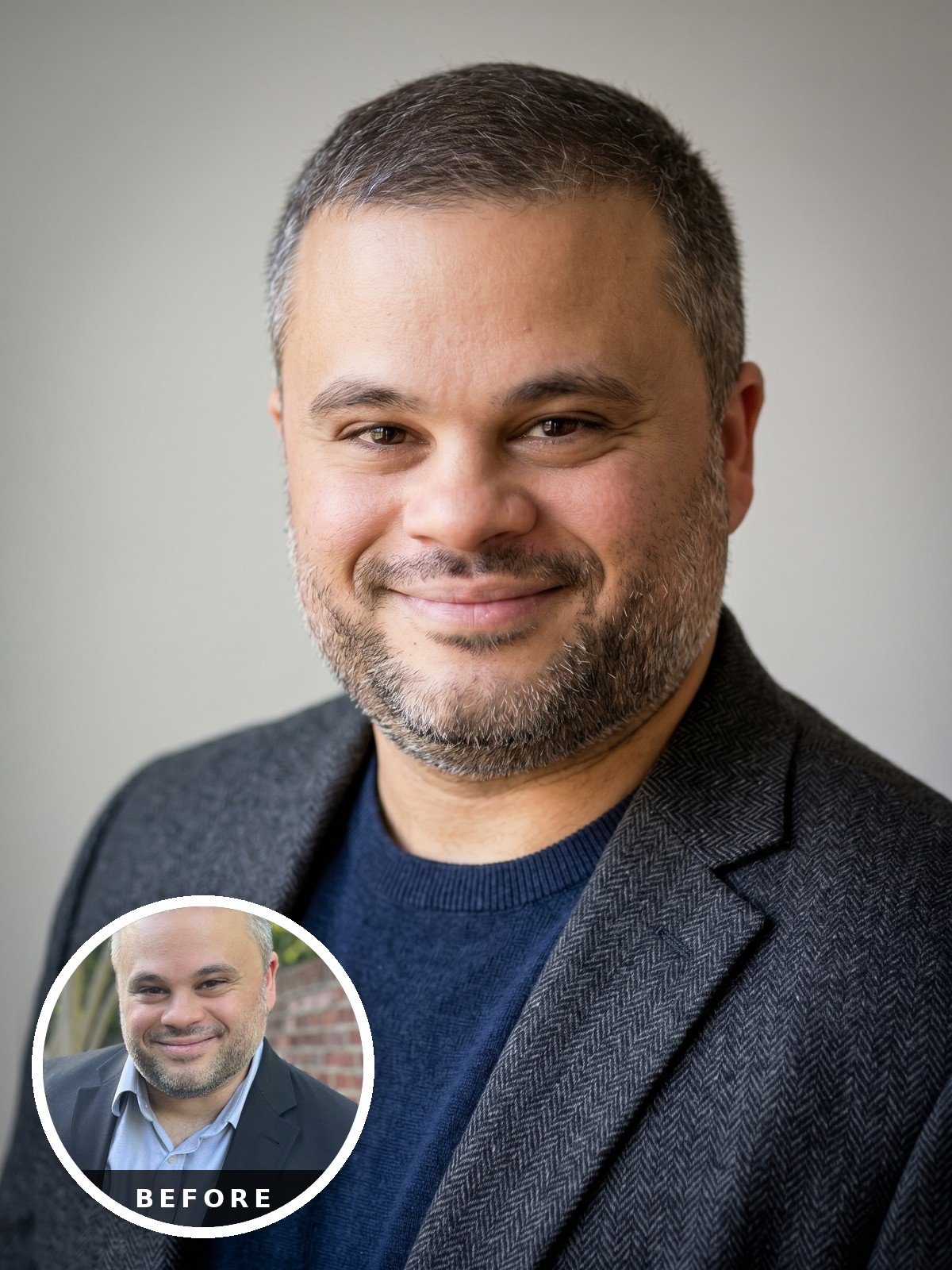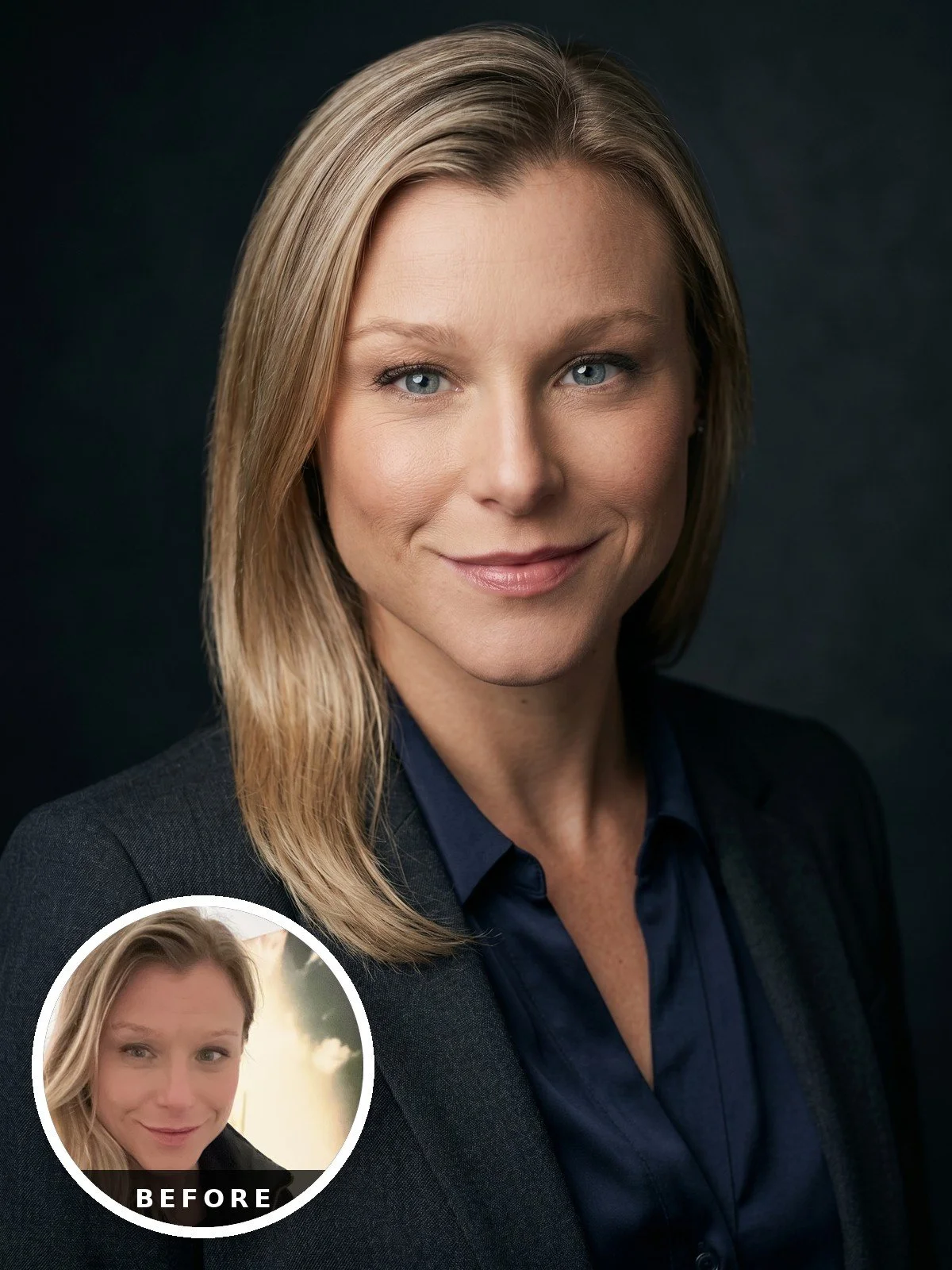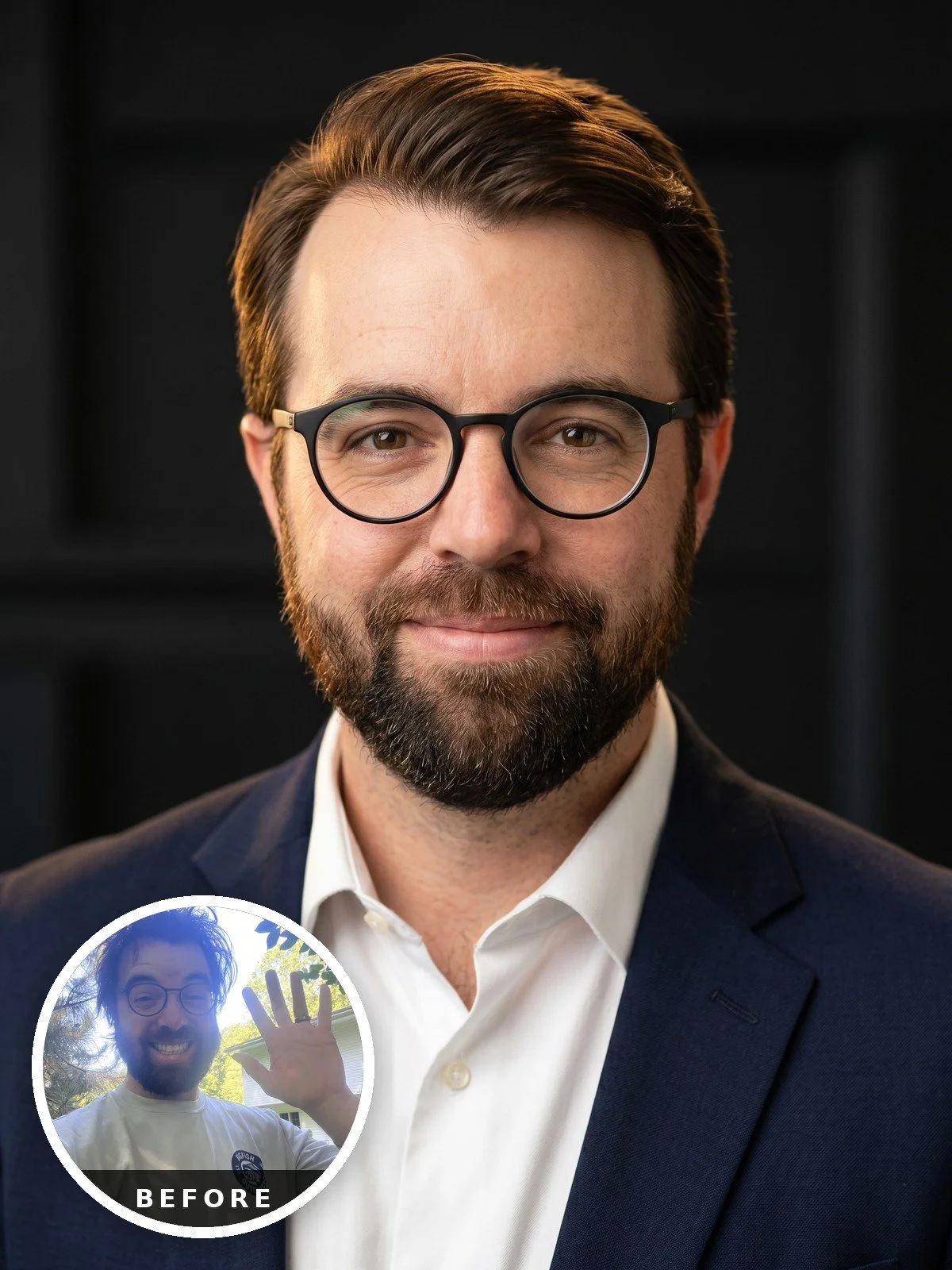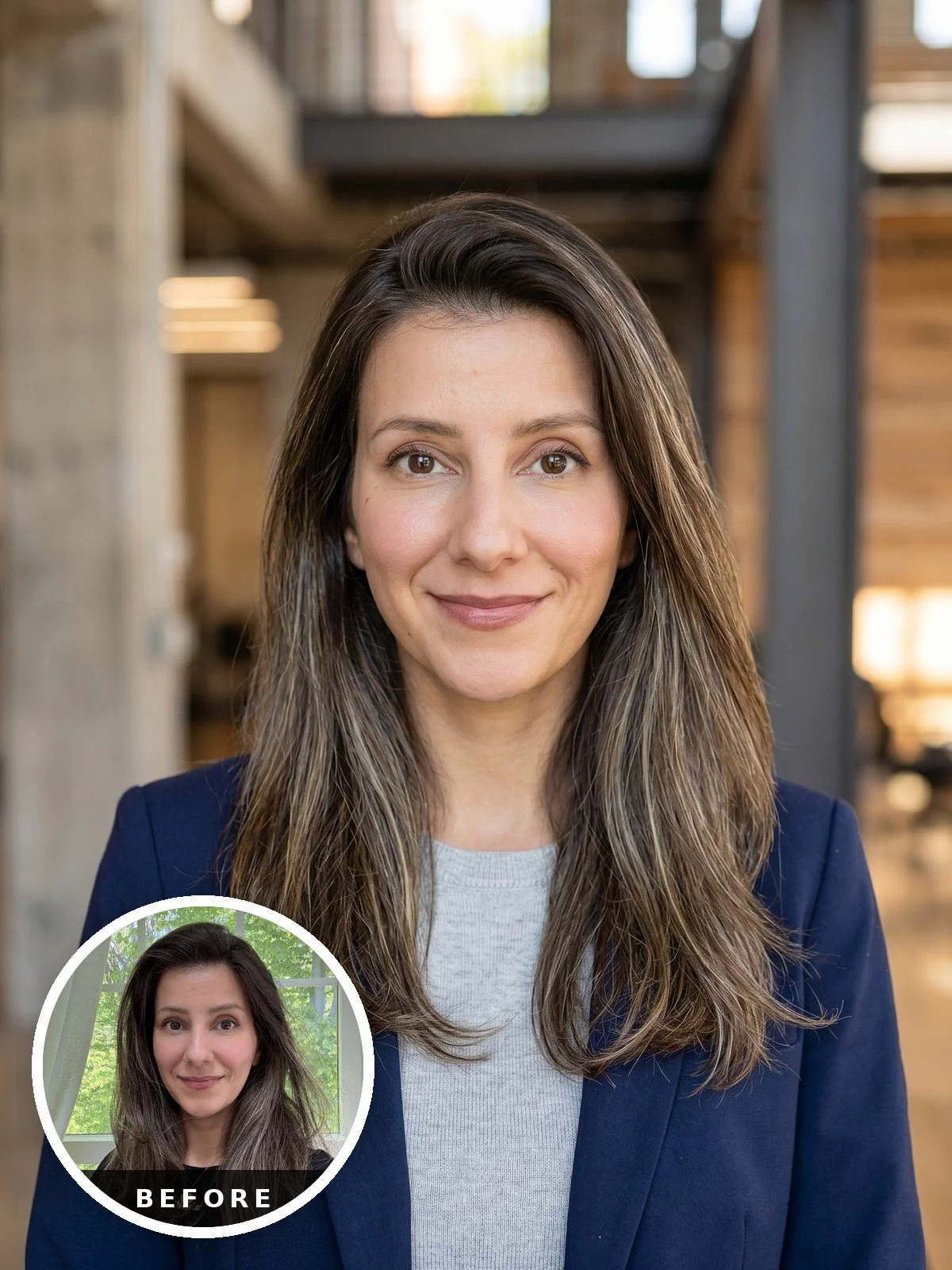
AI professional Headshots
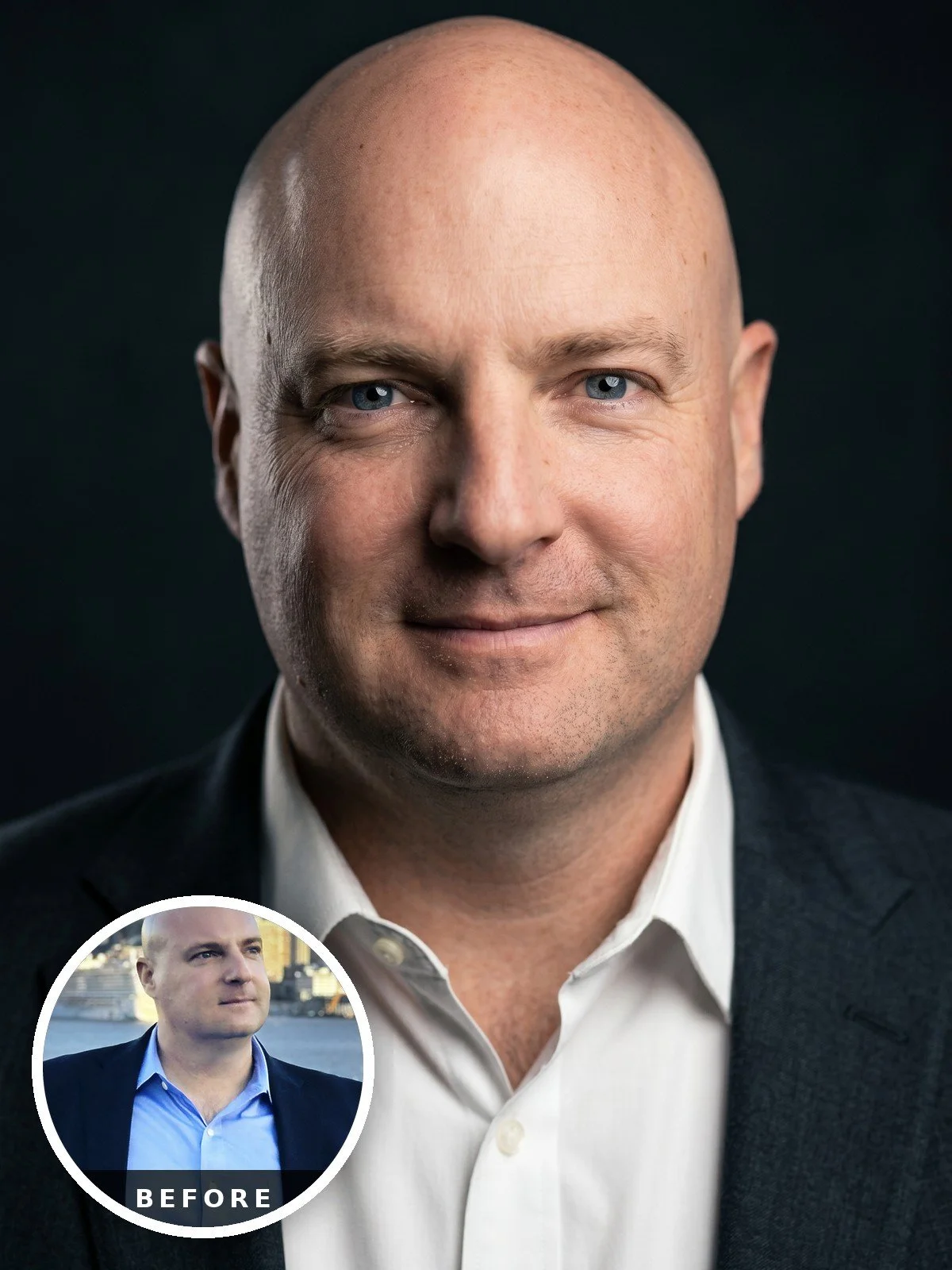
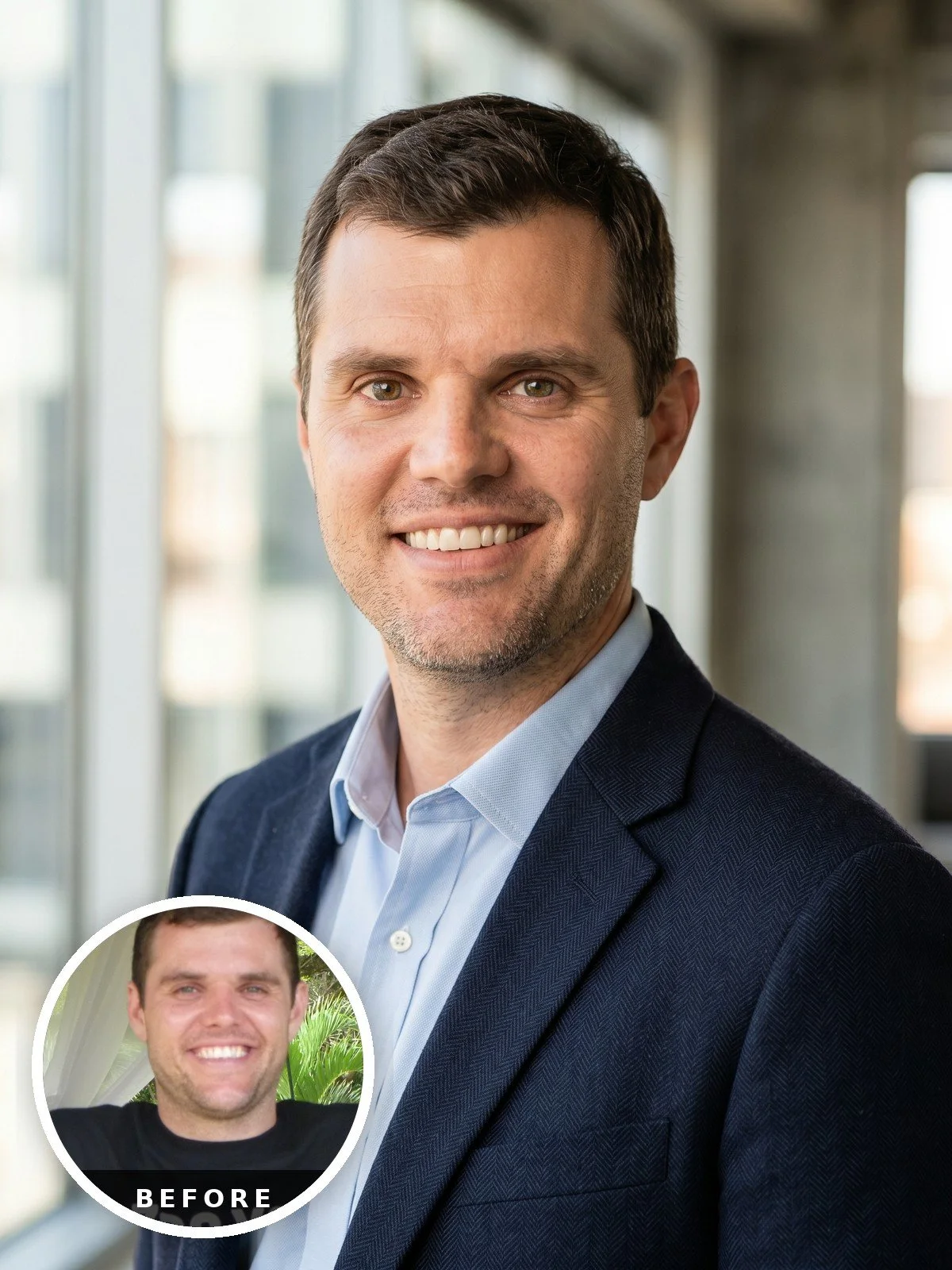
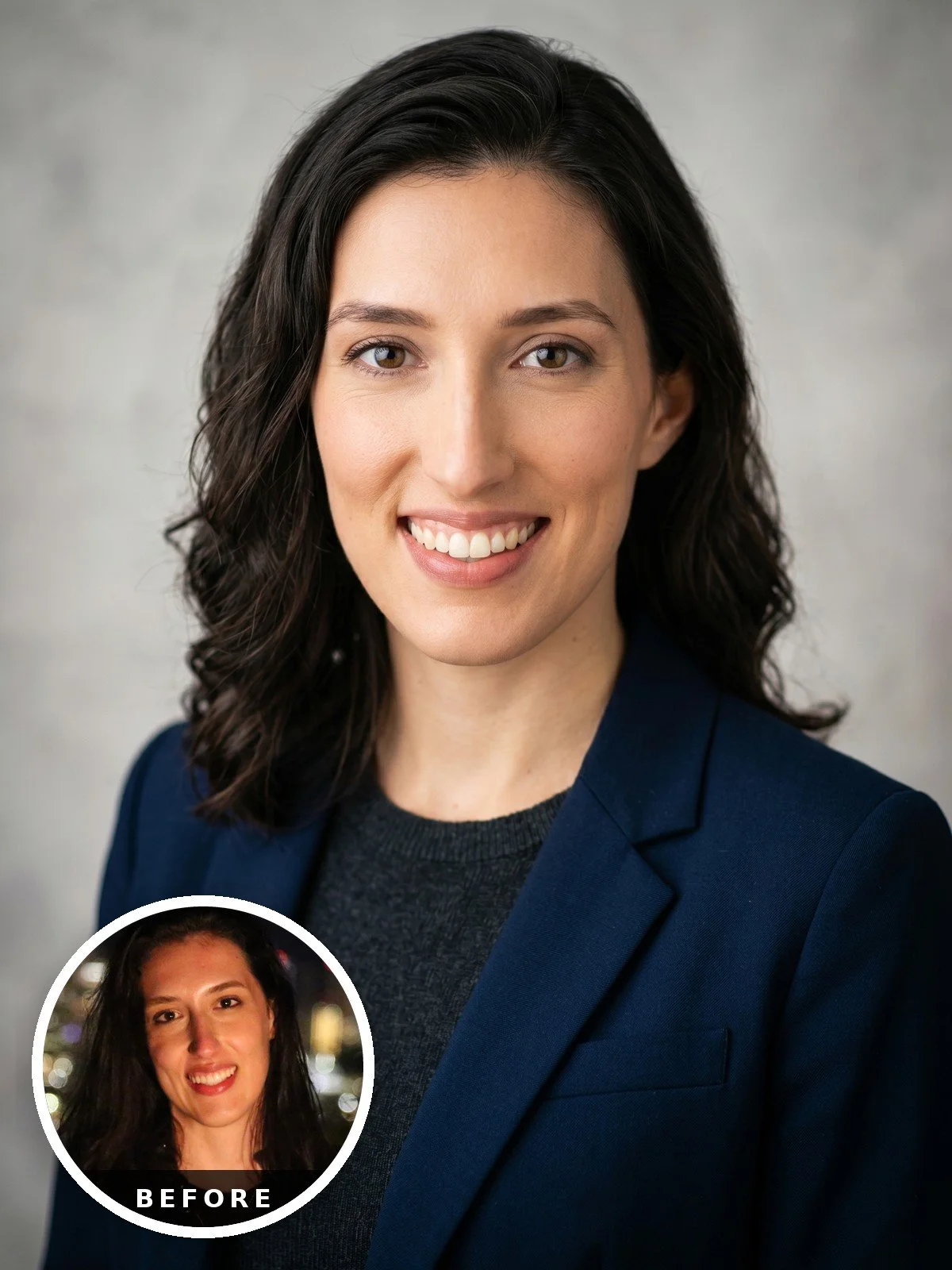
I've spent over two decades shooting professional headshots. Recently, I’ve had lots of conversations about AI Headshot Generators, both the good and bad. Yes, some generators produce laughable results now, but with the speed at which it’s improving, it wouldn’t be that way for long. After months of feeling like I was going to lose my livelihood to AI, I decided to pour my 20 years of knowledge of lighting, posing, lens choice and backgrounds into AI to see if I could make a generator that actually creates realistic AI headshots…
and it worked.
made by a real headshot photographer
The results are better than expected even with my extensive knowledge of headshot photography. Keep in mind, other headshot generators don’t even use actual photographers to help them improve their products! I know, because I have reached out to all of them.
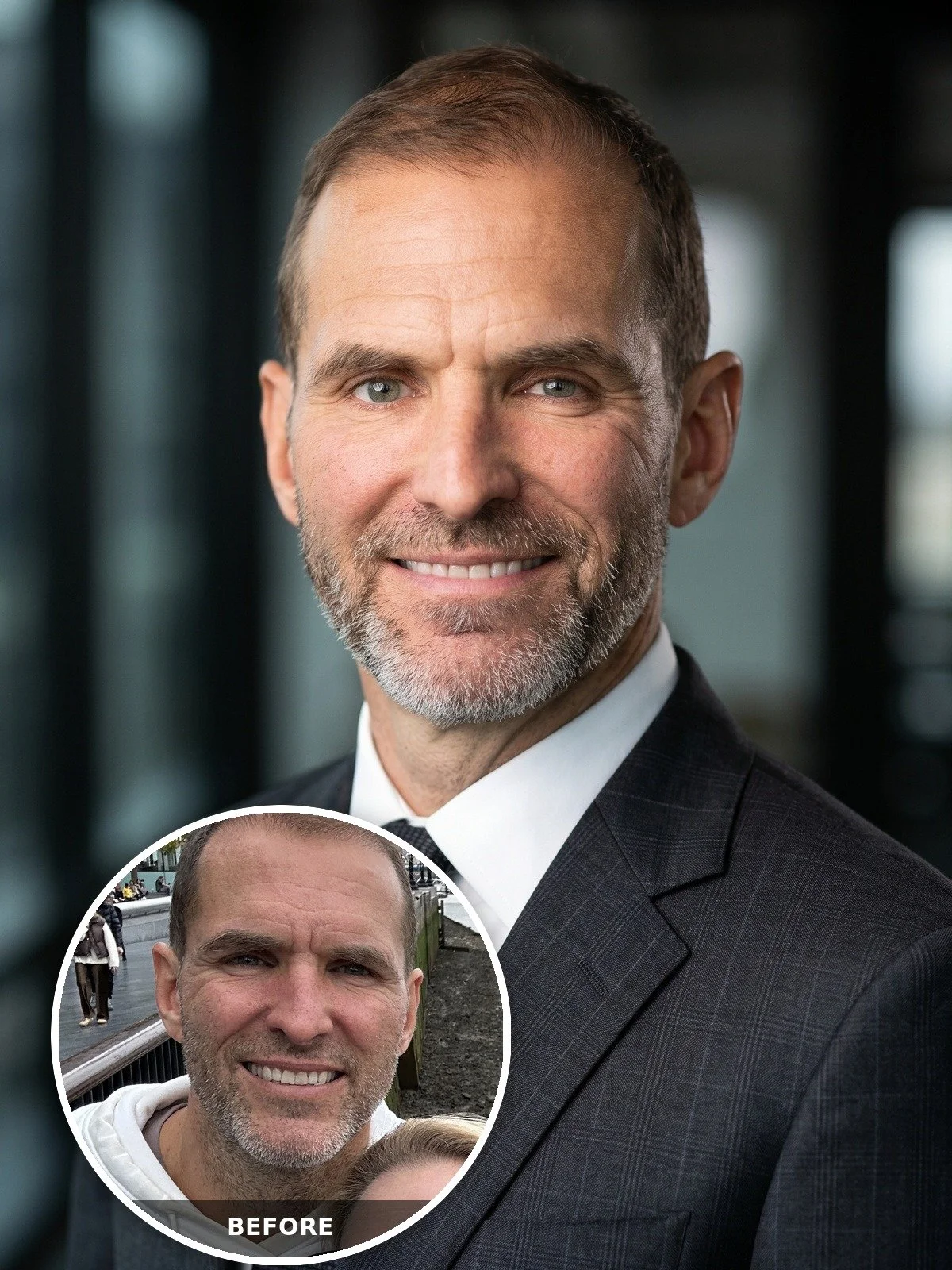
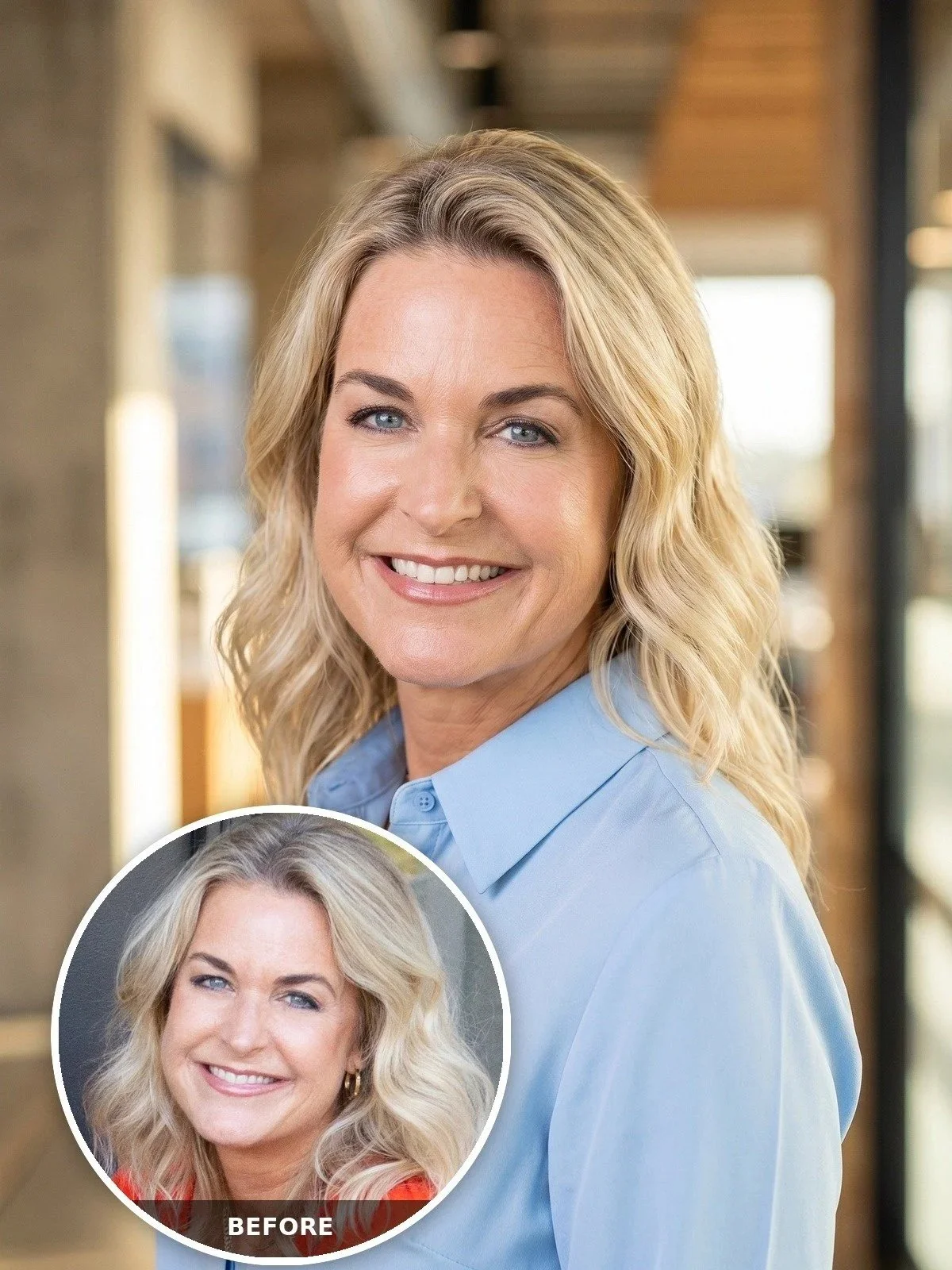
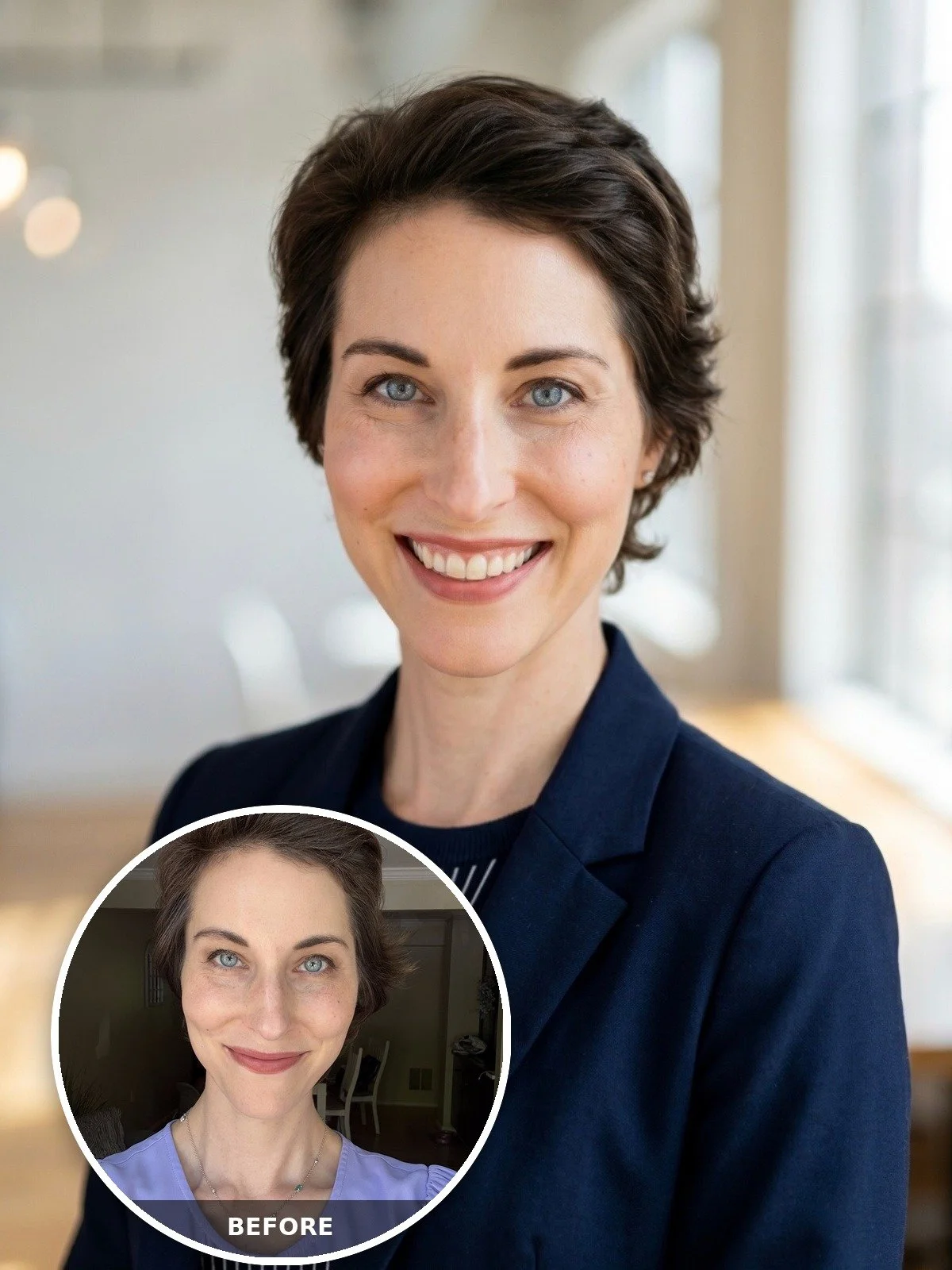
How it works: upload 5-6 of your own selfies, YOU get to pick your style, outfit, lighting, etc. wait a few minutes, then buy only the ones that look truly like you. Other AI Headshot generators spit out 30 to 50 generic headshots that look nothing like you. And you might use 1 to 2 that actually pass the sniff test.
-
![Generated Headshot Review]()
"The AI headshot was top-notch and the final outcome very realistic and looked just like me."
-
![realistic generated AI headshot]()
“my final result was almost too realistic!"
-
![AI Headshot]()
“You can tell this was made by a professional photographer with decades of experience."
-
![Headshot AI Generator]()
“I love that I could only buy the ones I wanted and not all the garbage other generators create.”
-
![AI headshot generation]()
I've tried other generators which made me look like an alien. This one actually works!
-
![Headshot generator]()
Easy to use, with instant results. Highly recommend.
-
![AI Headshots]()
The process was literally effortless.